
My first experience of “volunteerism” is rooted in my family and community expectations. As a
second generation Filipino-Canadian woman, I grew up feeling like a translator of two worlds.
Through my lens of family obligations and Catholicism, giving back very much felt like
generosity without boundaries. The invisible labour of my mother, her sisters, and my dad who
is the eldest in his family, was rooted in duty and the expectation of service. I always wondered:
when is enough, enough? When can someone say, “No this is not possible for me at this time”?
As I started to explore my own identity, and even my own emotional maturity, it was my parents
who told me “if you can help someone, don’t say no.” It wasn’t out of force or fear, but that is
how the world was framed for them. Familial obligations did not include the option to say
anything except yes.
In high school, I started to volunteer with my peers to do door to door canvasing in support of
the Heart and Stroke Foundation. I guess I’ve been a fundraiser longer than I can remember!
Going door to door with friends, raising funds for something meaningful, gave me a sense of
belonging and was clearly the start of my budding fundraiser career.
After university, my first board experience was an invitation that I was honoured to receive. At
that time, I had been organizing with Philippine Women’s Centre of BC in support of Filipinos,
particularly women and families who were newcomers to Canada. At that time, the Live In
Caregiver Program (LCP) was in full swing and was the de facto national childcare and seniors
care answer. The predominant group of LCPers were professionally experienced and trained
Filipino women who were already working overseas to support their families. Their education
and experience in healthcare, childcare, business, and in STEM careers was not recognized by
Canadian structures, so the path towards permanent residence was through the LCP. This
experience also helped me nurture my Filipino identity, and gave me context and a small insight
to my family’s migration story and our place in Canada.
Another board experience was again initiated by an invitation by someone I looked up to. I felt
seen by a peer and trusted with a responsibility that mattered. These experiences taught me
that I still had much to learn, especially about questions to ask when being invited to take on a
serious governance responsibility.
Other volunteer experiences that have been meaningful to me that are more positive are my
roles as a mentor. I often joke that I feel like I’m getting more out of the experience than my
mentees are. It is deeply fulfilling work. I often need that reminder that the world is mostly a
good place.
As my career evolved from volunteer and community organizer to fundraiser and governance
professional, I began to recognize familiar values in new language. Concepts like donor
stewardship, volunteer engagement, and philanthropy were often describing behaviours and
relationships I had already witnessed growing up. The difference was not the values
themselves, but how they were formalized and recognized within institutions.
It took me years working in fundraising and nonprofit leadership to realize that many of the
values I grew up with were already rooted in philanthropy, even if my family and community
never used that language.
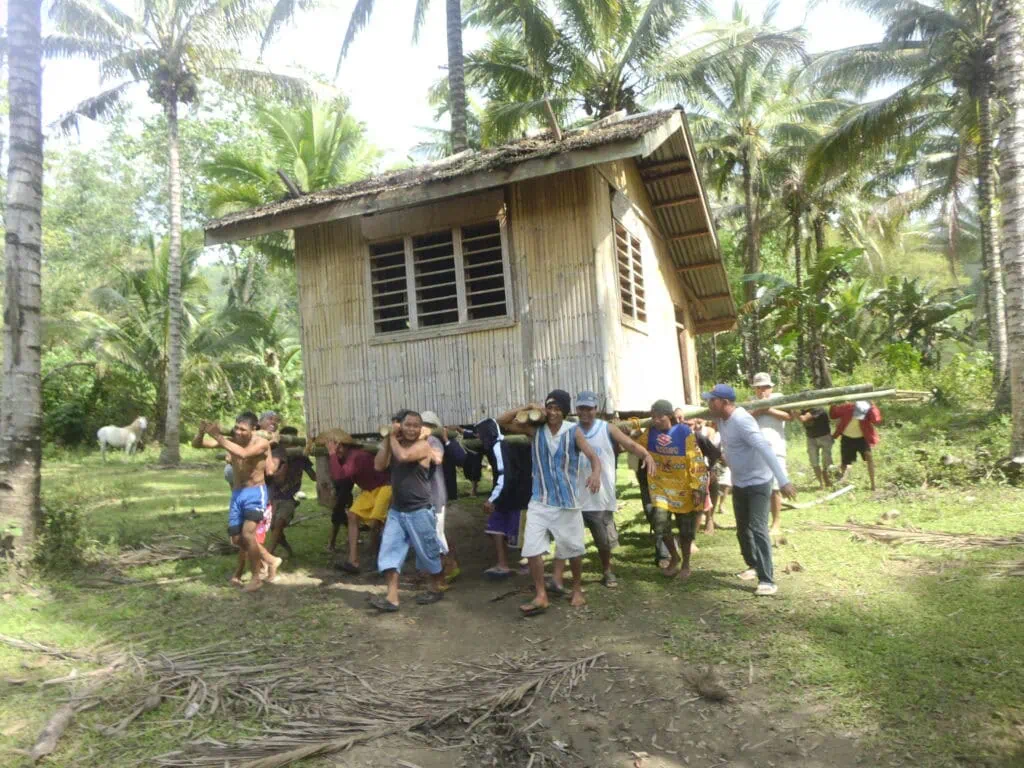
In many racialized communities, generosity is expressed not only through wealth or formal charitable structures, but also through caregiving, mentorship, community organizing, and showing up for one another. In Filipino culture, concepts like bayanihan (collective support) and kapwa (our interconnectedness and shared humanity) reflect collective care, interconnectedness, and
responsibility to one another. These values shaped how I understood service long before I understood terms like “donor stewardship,” “volunteer engagement,” or even “philanthropy.”
Someone’s time is a gift.
Volunteerism is not only about service. It is also about belonging, contribution, and feeling connected to something larger than ourselves. It creates an entry point for people to participate in causes that matter to them and reminds us that generosity can take many forms. Philanthropy can include financial giving, but it is also expressed through service, mentorship, caregiving, advocacy, organizing, listening, feeding people, and showing up for one another.
For many communities, these forms of generosity have always existed, even if they were not always recognized as philanthropy. Many communities have always practiced philanthropy, even when institutions failed to name it that way. The older I get, the more I understand that these experiences shaped not only my career in fundraising, but also my understanding of leadership, community, and shared humanity.

Christina Panis is based in Vancouver on the unceded territories of the Coast Salish peoples. Christina is a proud second-generation Filipino-Canadian woman and values-driven leader in the nonprofit sector, bringing a collaborative, multi-sector lens to her work.
Fluent in English and Tagalog with working knowledge of French, Christina is passionate about supporting organizations that create lasting change in their communities.


